


AI Email Scams & Phishing: Protecting Your Wealth and Business
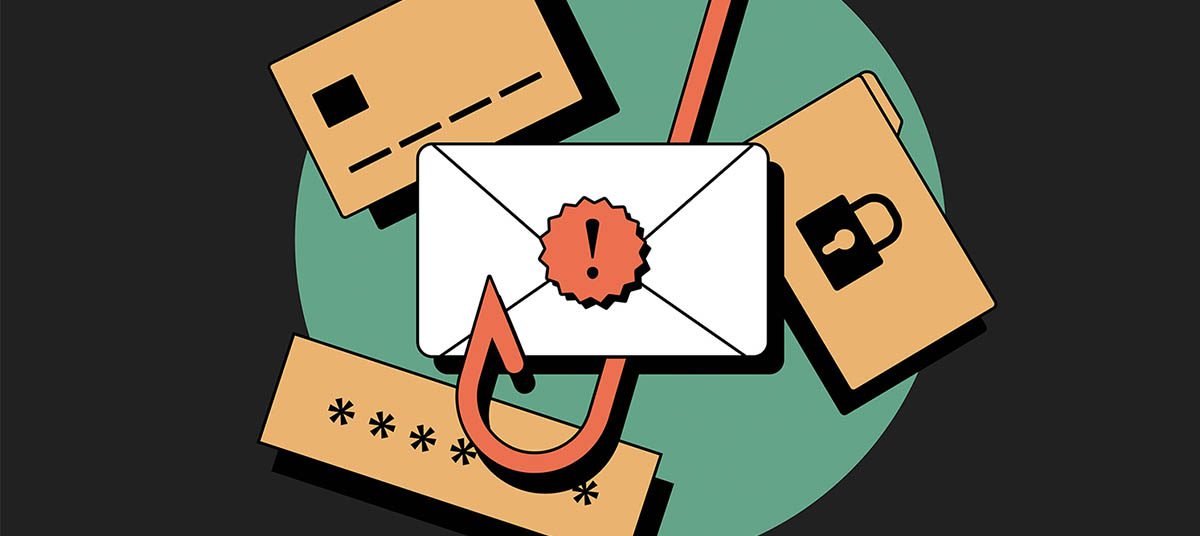
Financial deadlines, complex estate settlements, and routine tax compliance all share one trait: urgency. Unfortunately, this makes them prime targets for cybercriminals.
As forensic accountants serving high-net-worth families and fiduciaries in Burlingame and the greater Bay Area, we see how fraud tactics evolve. Phishing attempts inevitably spike when criminals know individuals are expecting communication regarding wealth transfers, tax filings, or business valuations. The timing gives their messages an illusion of legitimacy.
With the rise of artificial intelligence, these attacks have become highly sophisticated.
The Mechanics of Modern Social Engineering
Scammers rarely hack systems first; they manipulate human behavior. Critical deadlines create pressure, which increases cognitive load. When fiduciaries or business owners feel rushed, they are more susceptible to clicking a malicious link.
A message arrives demanding immediate action to prevent a delayed wire transfer or a penalized tax filing. Because the deadline is real, the request feels plausible.

How AI Masks the Threat
Historically, phishing emails were easily identifiable by poor grammar and unprofessional formatting. Today, generative AI tools allow criminals to:
Draft impeccably polished correspondence
Personalize emails using scraped public data
Reference real wealth managers, legal counsel, or vendors
Perfectly mimic a professional tone
Some threat actors even deploy AI voice cloning to impersonate executives or family members requesting urgent fund transfers. Suspicious no longer looks suspicious, which means procedure must override instinct.
Frequent Scams Targeting Wealth and Business
As Certified Fraud Examiners, we routinely observe specific attack patterns.

Agency Impersonation
Emails or texts claiming to be from the IRS or the Franchise Tax Board demanding immediate identity verification or balance payments. Remember, tax authorities do not initiate contact regarding bills through unsolicited email or text messages.
Advisor or Vendor Spoofing
An email appears to come from someone you trust—a lawyer, an appraiser, or a vendor. The message requests an urgent update to banking information to process a settlement or payment. Usually, the only clue is a slightly altered email domain.
Wire and Direct Deposit Fraud
These scams are prevalent when moving funds for estate distributions or business payroll. A single unverified change can redirect substantial assets into a fraudulent account.
Defenses That Work
You do not need an enterprise IT department to reduce risk. You need strict procedures.
Multi-Factor Authentication (MFA): Enable app-based MFA for all financial software and email accounts. It remains one of the strongest defenses against compromised credentials.
Verbal Confirmation: Always verbally confirm requests to change banking instructions, send wire transfers, or modify payment details using a trusted phone number you already have on file.
Encrypted Portals: Sensitive financial documents must move through secure, cloud-based portals, never as standard email attachments.
Educate Your Team: Your staff and family members are your first line of defense. Brief reminders about fraud tactics can prevent costly mistakes. Teach them to slow down before authorizing unexpected financial requests.

Scammers rely on your urgency. Your best defense is a methodical pause.
Protecting your financial legacy requires safeguarding the systems that manage it. If you need assistance reviewing your financial safeguards, resolving a forensic accounting dispute, or managing complex estate tax compliance, reach out to Sullivan & Company CPA Inc. Schedule a consultation with our Burlingame team to ensure your wealth is protected.
Share this article...